


Guidance for UK cardholders. This article is general educational information for patients based in the UK. It is not personal financial or legal advice, and it does not replace guidance from your card provider, a solicitor, or the Financial Ombudsman Service. Payment protection rules differ by country, and by how and where you pay, so always confirm your own position with your card provider before relying on anything here.
Before paying a clinic

A few simple checks before you pay can make a real difference if something later goes wrong.
- Confirm the clinic's legal business name, not just its trading or marketing name.
- Pay the registered clinic or company itself - never an individual staff member's personal account.
- Check that the name shown on your card statement (the merchant name) matches the clinic or the contracted supplier you agreed to pay.
- Ask for a written treatment plan, an itemised quotation, and a payment schedule before you commit.
- Get a clear written record of exactly what is included and what is excluded from the price.
- Ask for the clinic's cancellation, refund, remedial-treatment and aftercare terms in writing.
- Keep copies of adverts, website claims, messages, emails and invoices - you may need them later.
Cash, cryptocurrency and bank transfers do not carry the same card-based protections described in this article, and may be harder to trace or recover if a problem arises. Paying by credit card is not automatically the right or affordable choice for everyone - only use credit you can genuinely afford to repay.
Section 75 protection for UK cardholders

Section 75 of the Consumer Credit Act 1974 may give UK credit-card holders a right to claim against their card provider if a supplier breaches the contract or misrepresents what was agreed, in some circumstances.
- It may apply when the cash price of an individual qualifying item, service, or genuine package is more than £100 and no more than £30,000.
- Where it applies, the credit-card provider may share liability with the supplier for breach of contract or misrepresentation.
- Paying only part of the purchase by credit card - for example, a deposit - can still be covered. The cash price of the item, not the amount charged to the card, decides whether the £100 to £30,000 limits are met.
- Purchases from overseas suppliers, including clinics abroad, can potentially qualify.
- Debit-card payments and bank transfers are not protected by Section 75.
- Using an intermediary, agent, or certain payment processors can affect the debtor-creditor-supplier relationship that Section 75 depends on, which may affect whether a claim succeeds.
- Section 75 mirrors the claim you would have against the supplier. For treatment abroad, the terms of your contract and the law that governs it may therefore affect how a claim is assessed.
- Section 75 protection is not automatic. Each claim is assessed by the card provider, and ultimately by the Financial Ombudsman Service if needed, on its own facts.
Chargeback
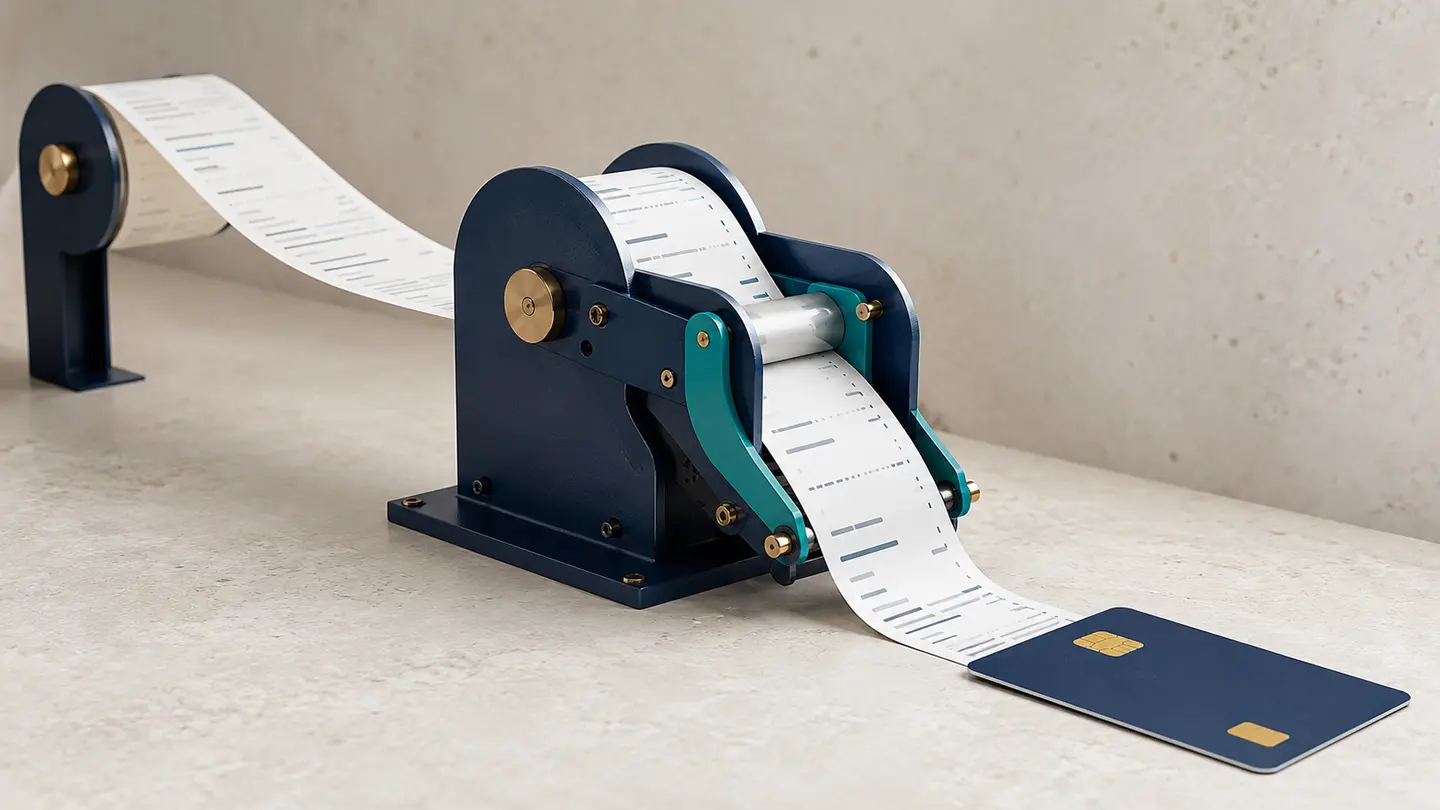
Chargeback is a separate process, run by the card schemes rather than by law.
- It can potentially apply to debit, credit and prepaid card payments.
- It is a card-scheme process, not the same statutory protection as Section 75, and there is no legal guarantee of success.
- Claims commonly have a time limit of around 120 days, though the exact starting date and rules can vary by card scheme and circumstance.
- Contact your bank or card provider promptly and ask them to confirm the deadline that applies to your specific payment.
What protection does not guarantee

Section 75 and chargeback exist to address contractual and payment problems - they are not a general guarantee of a refund whenever a patient is unhappy with the outcome of treatment.
- Dissatisfaction with a result alone does not automatically establish a valid claim.
- You will normally need evidence that the service was not supplied, that the contract was breached, that something was misrepresented, or that the treatment did not meet the standard of care and skill required under the law governing your contract.
- Section 75 is not itself a medical-negligence claim, and it does not replace one.
- If you believe you were injured or treated negligently, this may require an independent dental opinion and specialist legal advice, separate from any card-provider claim.
Dental Compass cannot and does not guarantee that a bank, card provider, or the Financial Ombudsman Service will uphold any particular claim. This information is not a criticism of dental treatment provided abroad - clinics in many countries provide good and appropriate care, and a disappointing outcome is not automatically evidence of a contractual failure.
Evidence checklist
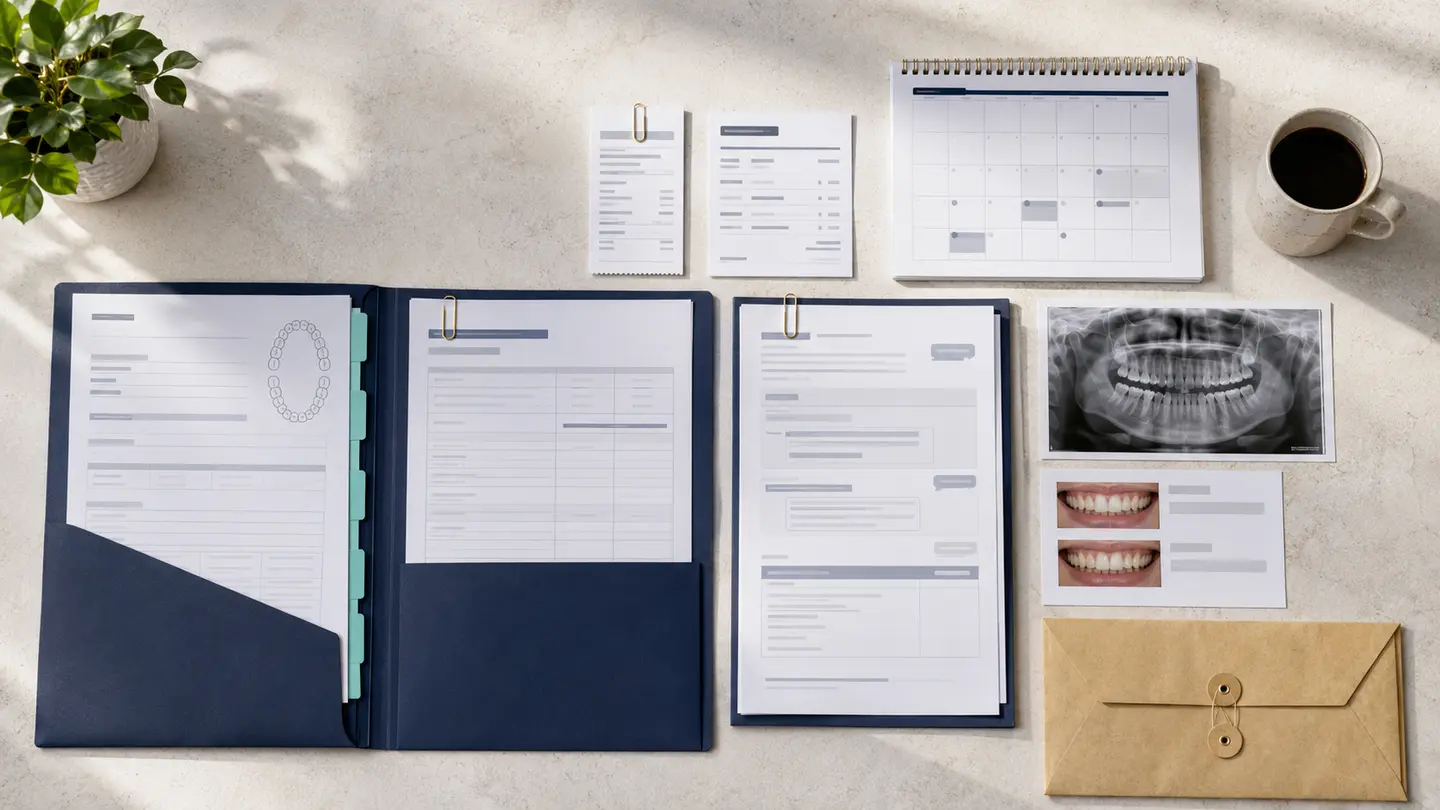
Whichever route you take, gathering evidence early makes a claim easier to assess. Useful items normally include:
- The treatment plan and the quotation you accepted.
- Written confirmation of what was included and excluded.
- The clinic's cancellation and remedial-care terms.
- Your card receipt and the relevant card statement.
- The clinic's invoice and its legal business details.
- Copies of the original marketing claims or website screenshots you relied on.
- Your complete correspondence with the clinic.
- A dated timeline of your treatment.
- Before and after photographs, and any clinical records you hold.
- An independent dental assessment, where the concern relates to clinical quality.
- A record of what remedy you have already asked the clinic to provide.
How to make a claim

- Contact the clinic in writing first, and give it a reasonable opportunity to resolve the problem.
- State clearly what was promised, what you believe went wrong, and the remedy you are asking for.
- Keep every response you receive, alongside your other evidence.
- Contact your card provider and ask it to consider both chargeback and a Section 75 claim, where applicable.
- For a Section 75 claim, it can help to state directly: "I am making a claim under Section 75 of the Consumer Credit Act 1974."
- If you are not satisfied with your card provider's response, you can make a formal complaint to them.
- Most financial complaints allow the provider up to eight weeks to give a final response.
- If you remain unhappy, referral to the Financial Ombudsman Service normally must be made within six months of that final response.
Suggested complaint template

You are welcome to copy and adapt the outline below when writing to your card provider.
Your name and address
Your account/card number
Date
Dear [card provider name],
I am writing to make a claim in relation to a payment made on [date] to [supplier's legal name], for [description of the contracted service] at a cash price of [£amount], of which [£amount] was paid by card ending [last 4 digits].
The supplier promised: [describe what was agreed, e.g. treatment plan, inclusions, timescale].
I believe this was breached / misrepresented in the following way: [describe the alleged breach or misrepresentation].
I have already contacted the supplier directly on [date(s)] and requested [remedy requested], but this has not been resolved. [Attach correspondence.]
I would ask you to consider this claim under Section 75 of the Consumer Credit Act 1974 and/or chargeback, as applicable, and I enclose the following evidence: [list evidence enclosed].
Yours faithfully,
[Your name]
Sources and further reading
- MoneyHelper - Section 75 and chargeback protection (opens in a new tab): guidance on how card payments are protected, including Section 75 and chargeback.
- Financial Ombudsman Service - Goods or services bought on credit (opens in a new tab): explains the Section 75 price limits, part payments, chargeback and the evidence that can help a claim.
- Financial Ombudsman Service - Time limits (opens in a new tab): the time limits for complaining to a firm and to the Ombudsman, including six months from a final response.
- Consumer Credit Act 1974, Section 75 (legislation.gov.uk) (opens in a new tab): the statutory text, including the cash price limits and the creditor's joint liability with the supplier.
This article provides general educational information for UK cardholders. It is not personal financial or legal advice, and it is not a guarantee of any outcome. Rules and time limits can change, and protection differs depending on your country, your card type and the circumstances of your payment. Always confirm current details with your card provider, and seek independent legal or financial advice for your specific situation.